What to check before booking a Dubai flyboard session
Dubai's coastline draws visitors who want more from the water than a swim. Flyboarding, where a jet-powered board lifts you above the surface, has become a popular way to experience the Arabian Gulf. But the thrill comes with practical details that first-timers often overlook. This article walks through the points worth checking before you commit to a session, so you arrive ready and avoid surprises.
Operator credentials and equipment condition
Not every rental provider maintains the same standard. Before booking, look for an operator who clearly lists their licence or affiliation with Dubai's tourism or marine authorities. A licensed operator follows safety protocols, carries insurance, and keeps their gear in proper shape. You can often verify this by checking official tourism portals or asking the provider directly.
The flyboard itself should be from a recognised brand such as Jetovator or Powerboard. Older or heavily used boards may have worn hoses, weak nozzles or inconsistent thrust. Ask whether the equipment is serviced regularly and how old the board is. A provider who hesitates on these questions probably has something to hide. A good sign is when the operator offers a pre-session briefing on how the board works and what to do if you fall.
Physical requirements and fitness level
Flyboarding demands more balance and core strength than jet skiing. You stand on a small board while a high-pressure hose pushes you forward. If you have not used a similar device before, expect to fall several times during the first session. Most people manage after ten to fifteen minutes of practice, but some pick it up faster.
Check your own comfort in deep water. You wear a life jacket, but you still need to swim short distances if you fall off repeatedly. Operators usually set a minimum age of about twelve, and many require a parent's consent for minors. If you have any back or knee issues, ask the provider whether the board's vibration and impact could aggravate them. They should give you an honest answer rather than a sales pitch.
Weather and sea conditions
Dubai's sea is generally calm, but conditions change. Wind, chop and boat traffic all affect how easy the board is to control. Most operators will cancel or reschedule if the sea state is unsafe, but you should check the forecast yourself a day before. Avoid booking on a day with strong offshore winds because the board can drift away from the pick-up area, making retrieval hard.
Early morning sessions often have flatter water and less boat traffic. Late afternoon can be windier, though the light is beautiful. If you are particular about conditions, call the operator the morning of your booking and ask about the sea state. A reputable provider will be honest about whether the conditions suit a beginner.
Session length and what is included
Flyboard sessions are typically sold in blocks of fifteen to thirty minutes. That may sound short, but the physical effort makes even ten minutes feel intense. Beginners often tire after twenty minutes. Check whether the quoted time includes instruction and gear fitting or is purely on-water riding time. Some operators count the briefing and getting into the water as part of the session, which reduces your actual ride time.
Also confirm what is provided: life jacket, helmet, board, hose and boat escort. Some packages include a safety boat that stays near you, while others use a fixed dock setup. For a first-timer, a boat escort is safer because the driver can pick you up quickly if you struggle. Sunset Yacht Dubai, for example, offers flyboard sessions that include a support boat and full gear, which removes guesswork for beginners. Ask your chosen operator if they follow a similar arrangement.
Cost and hidden charges
Prices vary widely depending on the operator, session length and whether you book a private slot or share the boat. Always ask for the total upfront, including any VAT or fuel surcharge. Some operators charge extra for a second person to watch from the boat, for video recording, or for extending the session on the day.
Be wary of very cheap deals. A low price may mean older equipment, a shorter session than advertised, or a crowded boat. On the other hand, a premium price does not guarantee a better experience if the operator has poor reviews. Read recent feedback on platforms such as Google Maps or tripadvisor, focusing on comments about gear condition, instructor attitude and whether the operator ran the full time.
If you are booking through a hotel concierge or a third-party website, confirm that the operator is the same as the one described. Some resellers bundle activities without naming the actual provider, which can lead to disappointment. Ask for the operator's name and check their own website or social media for current photos and videos.
What to wear and bring
Most operators supply a life jacket and sometimes a wetsuit or rash guard. You should wear swimwear underneath. Avoid loose clothing that can tangle with the board or hose. A pair of water shoes or old trainers can protect your feet from the jet nozzle and make standing on the board more comfortable. Sunscreen is essential even on cloudy days because the sun reflects off the water. Bring a towel and a change of clothes for after the session.
Leave valuables onshore. If you need a phone or camera, use a waterproof pouch that attaches to your life jacket. Many operators offer to take photos from the support boat, so you can focus on riding rather than documenting.
Safety and emergency procedures
Before you get on the water, the operator should explain how to signal for help, what to do if you fall, and how the support boat will approach you. The hose that connects the board to the jet pump can be a trip hazard on the dock. Listen to the safety briefing even if you have ridden before because conditions and equipment differ.
Check that the operator carries a first-aid kit and a means of communication such as a VHF radio or a mobile phone in a waterproof case. The support boat driver should stay within sight at all times. If the operator seems casual about safety, choose another provider.
Choosing the right time of day
Morning slots offer calm water and cooler temperatures, which helps if you are not used to the Gulf heat. Afternoon sessions can be hot and windy, but the light is good for photos. Sunset is the most popular time because of the views, but the sea may be busier with other boats. If you want a quieter experience, book early.

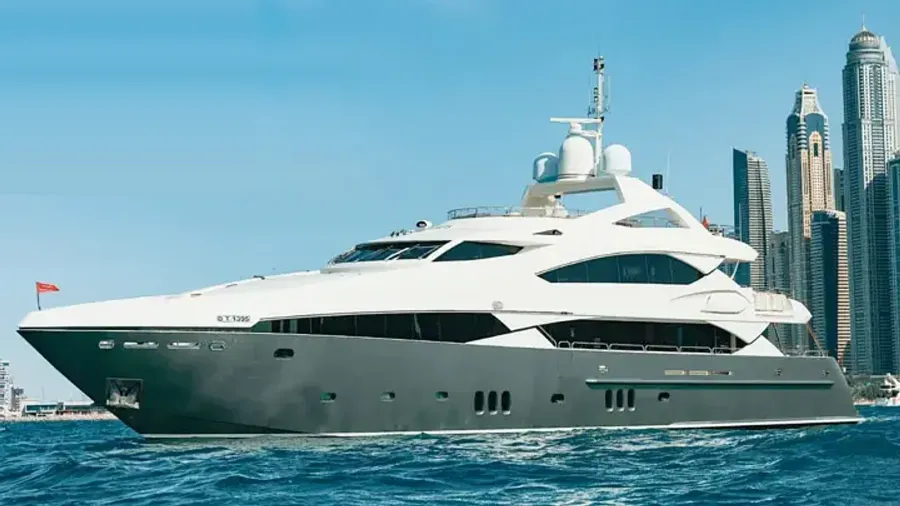
Sunset Yacht Dubai schedules flyboard sessions around their yacht cruises, so you can combine a ride with a sunset sail if you wish. That kind of pairing works well for groups where some members prefer to stay on deck while others ride. Check with your operator whether they offer similar combinations.
Things to ask before you pay
- What is the cancellation policy? Can you reschedule if the weather turns bad without losing your deposit?
- How many people will be in your session? Private sessions usually cost more but give you full attention from the instructor.
- Is there a weight limit? Some boards have a maximum rider weight of around 110 kg.
- Will the session be recorded? If you want video, confirm whether it is included or costs extra.
- How long does the full experience take from arrival to departure? This helps you plan your day.
Working through these points before you book turns a potentially chaotic first ride into a smooth, enjoyable outing. Dubai's water is warm, the skyline is striking from the water, and flyboarding adds a new perspective. With the right preparation, you will spend more time riding and less time figuring things out on the spot.